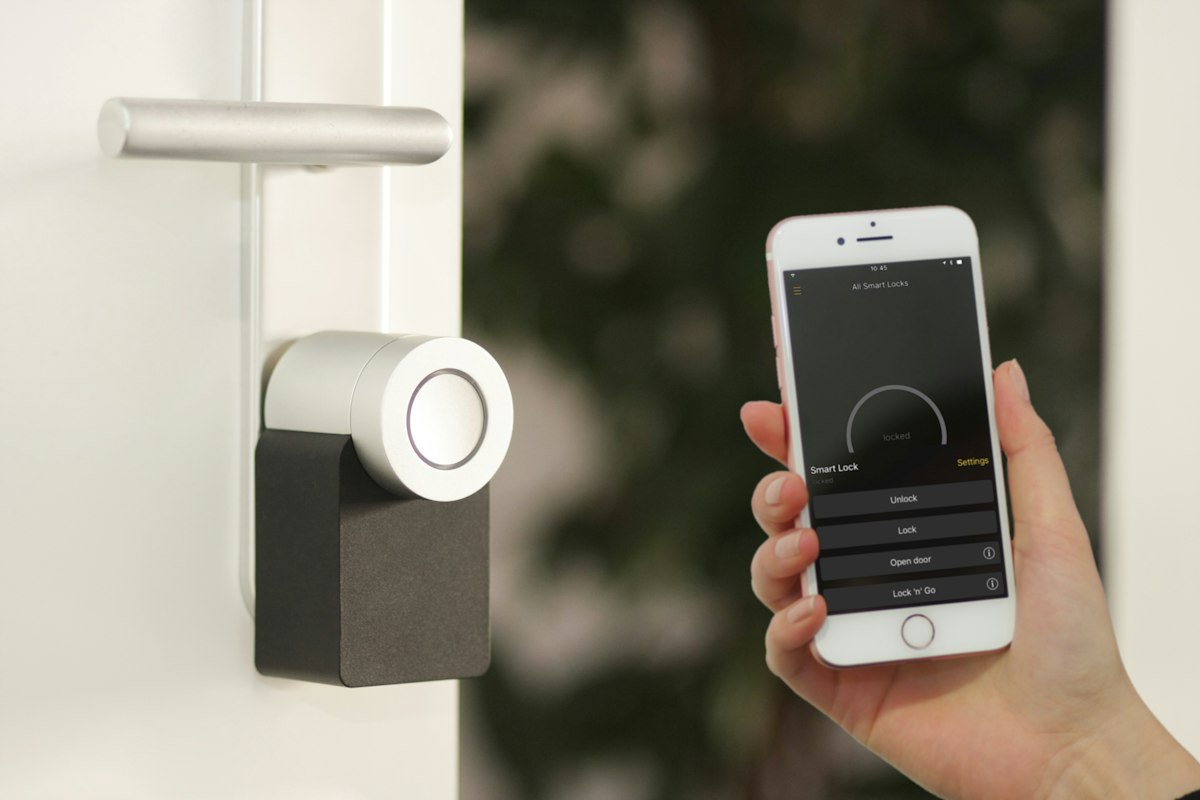
Smart home technology continues evolving rapidly. Understanding emerging trends helps homeowners and design professionals make informed decisions about investments that remain relevant as technology advances.
Matter: The Universal Smart Home Protocol
The Matter protocol represents the industry's attempt to solve the fragmentation problem. Developed by Apple, Google, Amazon, and major manufacturers, Matter promises:
Device compatibility across platforms
Simplified setup without proprietary hubs
Local operation reducing cloud dependency
Enhanced security through standardized protocols
For homeowners, Matter means devices from different manufacturers can work together seamlessly. For integrators, it potentially simplifies system design and reduces compatibility challenges.
However, Matter primarily targets consumer devices. Premium automation platforms like Crestron, Savant, and Control4 will continue offering capabilities Matter doesn't address—sophisticated programming, commercial-grade reliability, and comprehensive integration.
AI and Machine Learning
Artificial intelligence is transforming from marketing hype to practical reality:
Behavioral learning that anticipates needs
Anomaly detection for security and system monitoring Predictive maintenance identifying potential failures
Energy optimization learning usage patterns
Systems are becoming genuinely intelligent—adjusting automatically based on occupancy, weather, time of day, and learned preferences. This shifts smart homes from responsive to truly anticipatory.
Enhanced Privacy Features
Privacy concerns are driving new approaches:
Local processing eliminating cloud dependencies
Encrypted communication protecting data in transit
Privacy-first cameras with selective recording
Transparent data policies giving users control
Josh.ai's local voice processing exemplifies this trend. Expect more manufacturers to offer privacy-focused alternatives to cloud-dependent systems.
Energy Management Evolution
California's energy challenges are accelerating smart energy management:
Solar integration with battery storage
Time-of-use optimization shifting consumption to off-peak hours
Electric vehicle charging coordinated with home energy
Grid interaction participating in demand response programs
Future smart homes will be active participants in the energy grid, reducing costs while supporting sustainability.
Advanced Lighting Technologies
Lighting continues advancing:
Tunable spectrum beyond simple color temperature
LiFi communication using light for data transmission
Micro-LED displays enabling video walls anywhere
Quantum dot technology delivering perfect color rendering
These advances will enable even more sophisticated lighting experiences supporting both aesthetics and wellness.
Spatial Audio and Immersive Sound
Audio technology is entering a new era:
Object-based audio that places sounds precisely in 3D space
Personal sound zones creating different audio experiences in shared spaces
Adaptive acoustics adjusting to room conditions automatically
Imagine a living room where one person watches TV with surround sound while another enjoys music—both experiences coexisting without interference.
Health and Wellness Integration
Smart homes are becoming wellness platforms:
Sleep optimization through environmental control
Air quality monitoring and automated purification
Circadian lighting supporting natural rhythms
Stress detection through voice analysis and biometrics
Future homes will actively support occupants' physical and mental health through intelligent environmental management.
Augmented Reality Interfaces
AR glasses will transform smart home control:
Visual overlays showing system status
Gesture control eliminating physical interfaces
Spatial programming configuring systems by looking and pointing
Enhanced troubleshooting with visual diagnostic information
While still emerging, AR represents a fundamental shift in how we interact with technology.
What Remains Constant
Amid rapid change, some principles endure:
Reliability matters more than features
Design integration remains crucial for acceptance
Professional expertise becomes more valuable as systems grow complex
Quality infrastructure supports future technologies
Planning for the Future
Future-proofing strategies include:
Flexible infrastructure supporting multiple technologies
Modular systems allowing component upgrades
Standards-based approaches avoiding proprietary lock-in
Professional partnerships with integrators tracking emerging technologies
The Role of Professional Integration
As technology grows more sophisticated, professional expertise becomes more valuable, not less. Understanding how emerging technologies fit together, which are ready for deployment, and how to integrate them with existing systems requires experience and ongoing education.
We continuously evaluate new technologies, separating genuine advances from marketing hype. Our role is helping clients make informed investments that deliver value today while remaining relevant tomorrow.
If you're interested in discussing how emerging technologies might enhance your home, we'd welcome a conversation about your specific interests and goals. The future of smart homes is exciting, and we're here to help you navigate it thoughtfully.