The relationship between interior designers and technology integrators determines whether smart home systems enhance or compromise a project's aesthetic vision. When both parties collaborate early and openly, the results elevate the entire project.
The Old Model: Technology as Afterthought
Too often, technology integration happens after design decisions are finalized. Beautiful spaces are complete, and then someone asks: 'Where should we put the TV? Can we add speakers?'
This approach forces compromises. Speakers get surface-mounted where they disrupt sightlines. Control keypads clash with carefully specified switch plates. Equipment racks intrude on closet space. The technology works, but it detracts from the design.
The Partnership Model: Design and Technology Together
When technology integrators join the design team early, everything changes. We can:
Specify invisible speakers before walls are closed, eliminating visible grilles
Design custom millwork to house equipment and displays
Match control interfaces to switch plate specifications
Coordinate with lighting design to integrate smart fixtures seamlessly
Plan equipment spaces that don't compromise interior design
Recent Pacific Palisades collaborations exemplify this approach. The interior designer involved us during initial space planning. Together, we created solutions where technology amplifies rather than compromises the design intent.
Communication is Everything
Successful partnerships require clear communication about priorities and constraints. Designers need to understand what technology requires—power, ventilation, access. Integrators need to respect design intent and find solutions that support it.
When both parties communicate openly, creative solutions emerge. That built-in entertainment system that looks like decorative millwork? It came from early collaboration. Those invisible ceiling speakers? Specified during acoustical planning.
Sample Materials and Coordination
We maintain relationships with manufacturers who understand high-end residential design. This means we can provide:
Custom keypad colors matching your material palette
Architectural speakers that paint or wrap to match surfaces
Equipment with finish options coordinating with interior selections
But this coordination only works when we're involved early enough to order and receive custom products before installation deadlines.
Common Collaboration Points
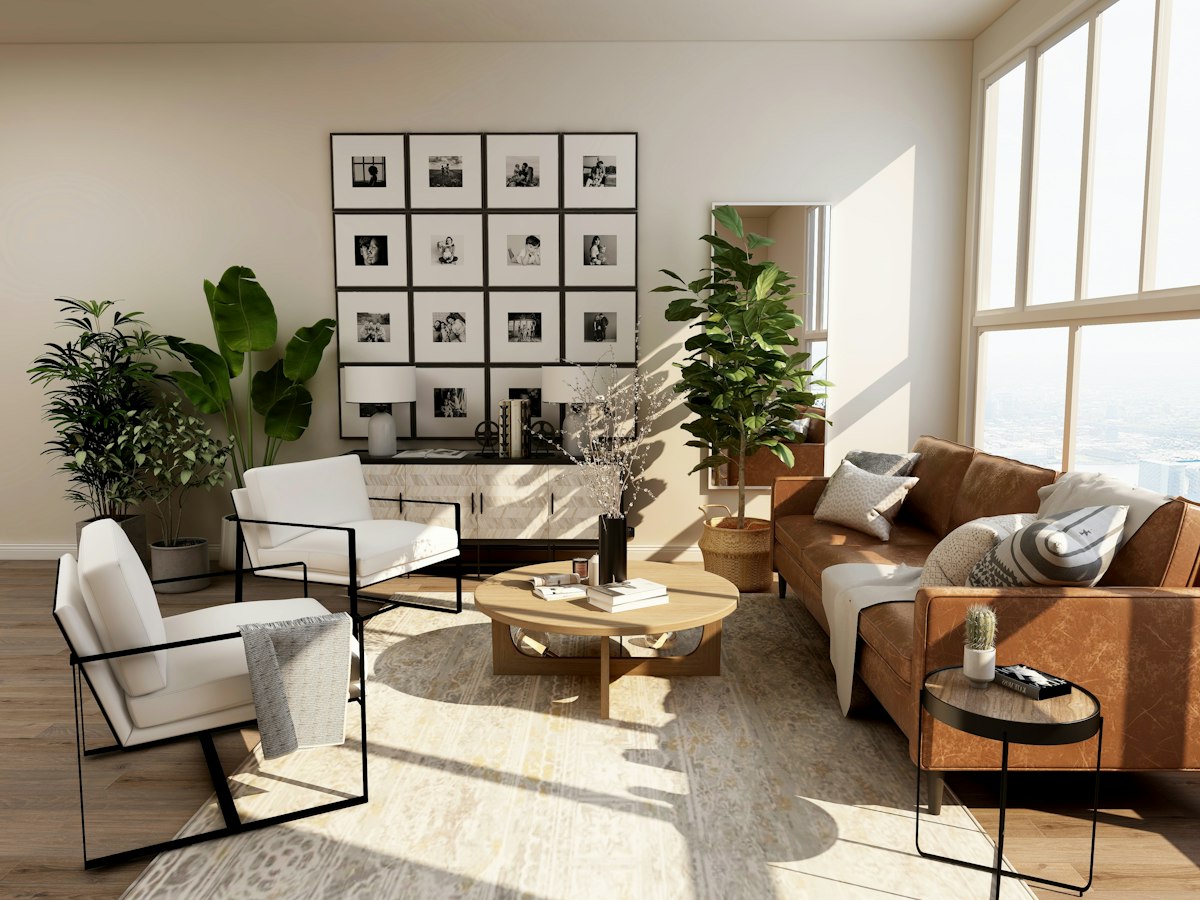
Living Rooms: Display integration, invisible audio, lighting control that supports both tasks and ambiance
Kitchens: Discreet speakers, control interfaces that match the design aesthetic, integration with luxury appliances
Bedrooms: Motorized shades coordinated with window treatments, invisible audio for morning alarms and evening relaxation
Bathrooms: Waterproof speakers that disappear, mirror displays, climate control integration
Outdoor Spaces: Weatherproof audio hidden in landscape, lighting control that enhances landscape architecture
When to Involve Technology Integration
The ideal time is during schematic design—when spaces are being defined but specific finishes haven't been selected. This timing allows:
Infrastructure planning alongside electrical and HVAC
Custom millwork design that incorporates technology
Product specification with appropriate lead times
Budget alignment early in the project
Later involvement is still possible, but it constrains options and may require compromises neither party prefers.
Our Role in the Design Team
We see ourselves as supporting the design vision, not driving it. Your aesthetic goals guide our technical solutions. We're here to:
Solve technical challenges in ways that respect design intent
Propose options that balance aesthetics and functionality
Coordinate with trades to ensure seamless integration
Provide education about possibilities and limitations
Building Long-Term Relationships
The best partnerships extend across multiple projects. As we work together, we learn your design preferences and develop shorthand communication. You learn our capabilities and limitations. Projects become more efficient, and results improve with each collaboration.
Many of LA's leading interior designers partner with us repeatedly because they know we respect their vision while bringing technical expertise they can trust. If you're an interior designer interested in exploring partnership opportunities, we'd welcome a conversation about how we might work together on future projects.